The Importance of Signal Person Qualifications in Georgia's Construction Industry
KM
The Role of Signal Persons in Construction
In Georgia's bustling construction industry, the role of a signal person is crucial for maintaining safety and efficiency on site. These professionals are responsible for directing crane operators and ensuring that loads are moved safely and accurately to their intended destination. This task requires a deep understanding of crane operations and a keen awareness of safety protocols.
Signal persons act as the eyes and ears for crane operators, who often have limited visibility. By using standardized hand signals and communication devices, they help prevent accidents and ensure projects are completed on time. Their role is indispensable in minimizing risks and enhancing productivity on construction sites.

Qualifications and Certification Requirements
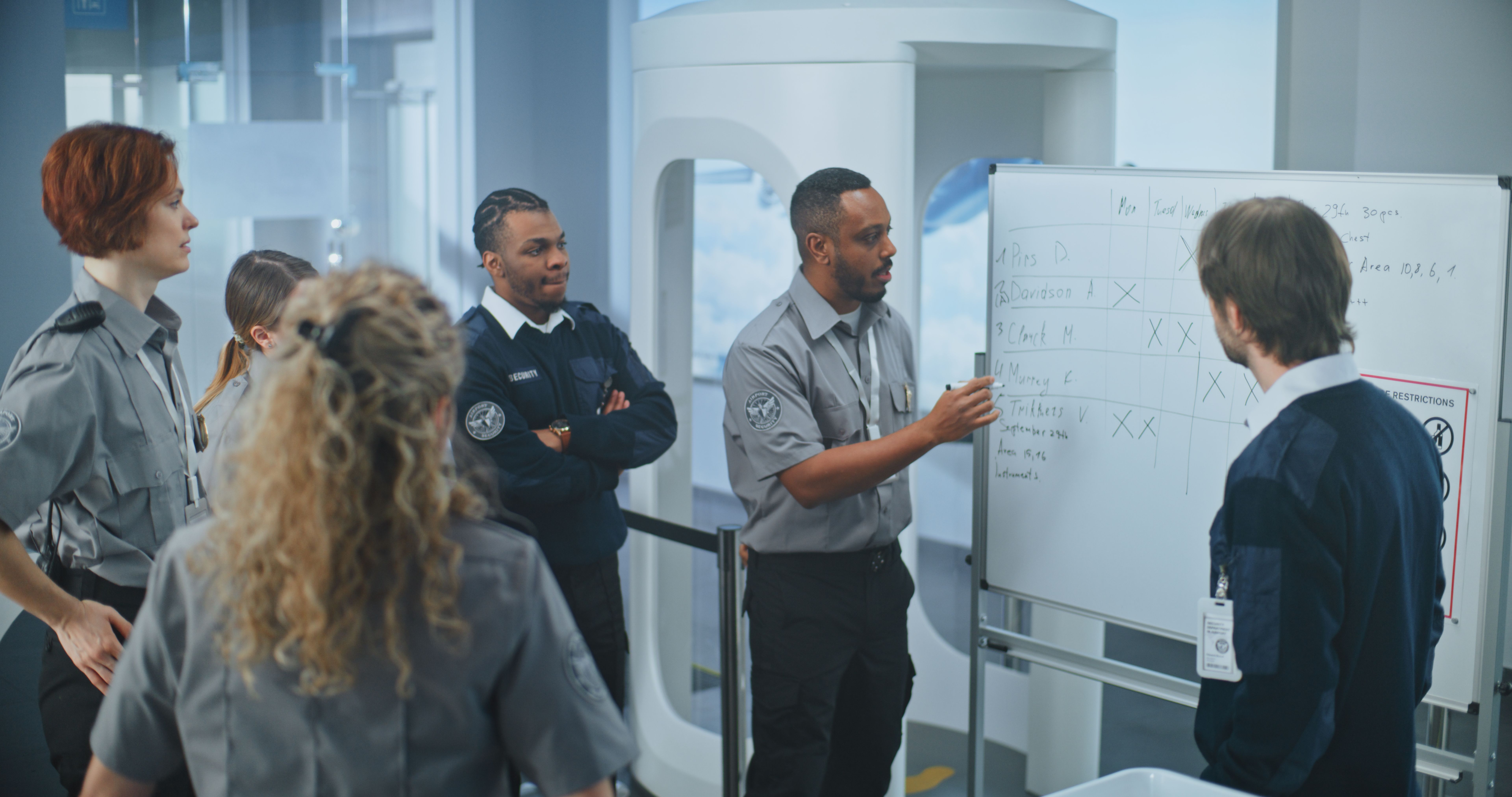
In Georgia, signal persons must meet specific qualifications to perform their duties effectively. They are required to undergo training and pass both written and practical examinations. These exams test their knowledge of hand signals, voice communication, and the safe operation of cranes.
The certification process ensures that signal persons are knowledgeable about the latest safety standards and best practices. This not only protects workers but also complies with regulations set by the Occupational Safety and Health Administration (OSHA), which mandates that all signal persons be qualified to perform their duties responsibly.

Enhancing Safety on Construction Sites
One of the primary benefits of having qualified signal persons is the enhancement of safety on construction sites. By ensuring that loads are moved without incident, signal persons help prevent potentially catastrophic accidents involving cranes and heavy materials. Their expertise is crucial in maintaining a safe work environment for all construction personnel.
Moreover, qualified signal persons can identify potential hazards and communicate these effectively to crane operators and other team members. This proactive approach allows for quick response and mitigation of risks, further safeguarding the site and its workers.
Boosting Operational Efficiency
Beyond safety, having skilled signal persons on site contributes to the overall efficiency of construction projects. Properly executed signals ensure that crane operations are conducted smoothly, reducing downtime and increasing productivity. This efficiency is vital in keeping projects on schedule and within budget.
Signal persons also play a critical role in coordinating with other workers and equipment operators, ensuring seamless operations across the construction site. Their ability to communicate effectively translates to fewer errors and a more streamlined workflow.
The Future of Signal Person Training
As technology evolves, so too does the training for signal persons. Virtual reality (VR) and augmented reality (AR) are being integrated into training programs, providing immersive and realistic scenarios for trainees. This innovative approach enhances learning and better prepares signal persons for real-world challenges.
Continuous education and recertification are essential for signal persons to stay updated on the latest industry standards and technologies. Investing in advanced training ensures that Georgia's construction industry remains competitive and safe.

Conclusion
The importance of signal person qualifications in Georgia's construction industry cannot be overstated. These professionals are key to maintaining safety and efficiency on job sites. By meeting stringent certification requirements and engaging in ongoing education, signal persons contribute significantly to the success and safety of construction projects across the state.
As the industry progresses, investing in the training and development of signal persons will continue to be a priority, ensuring that construction sites operate smoothly and safely for everyone involved.