
The Future of Crane Training: Innovations and Trends to Watch
KM
Embracing Technological Advancements
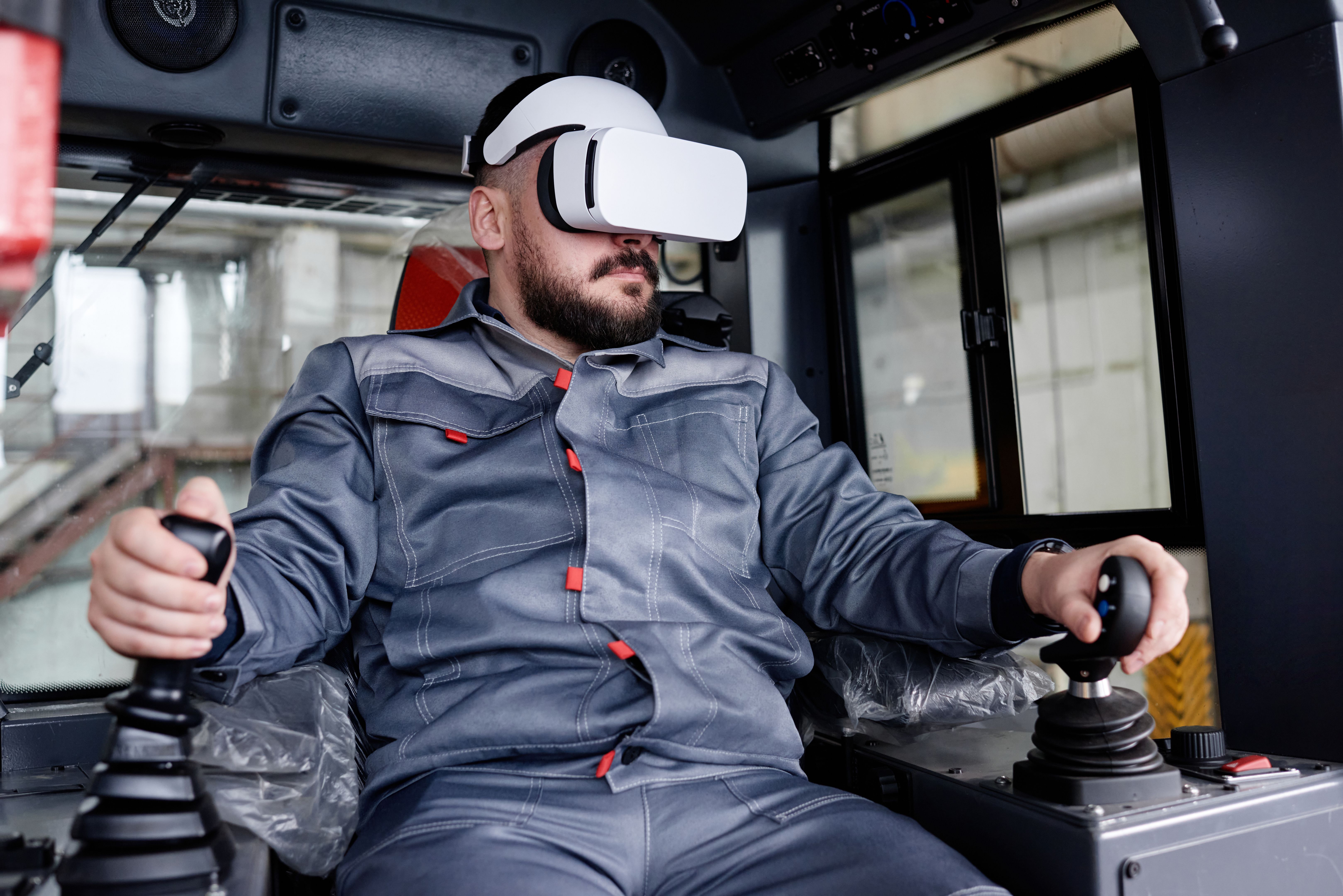
The crane industry is undergoing a significant transformation, thanks to cutting-edge technologies that are reshaping crane training. With the integration of virtual reality (VR) and augmented reality (AR), trainees can now experience lifelike simulations that enhance their learning experience. These technologies allow for immersive training sessions, replicating real-world scenarios without the associated risks.
By utilizing VR and AR, trainees can practice complex maneuvers and emergency procedures in a controlled environment. This not only improves skill retention but also boosts confidence when handling actual cranes. As technology continues to evolve, the possibilities for crane training are vast and promising.
Remote Learning Opportunities
The rise of remote learning platforms has revolutionized crane training, making it more accessible than ever. Online courses provide flexibility for individuals to learn at their own pace, accommodating various schedules and learning styles. This shift towards digital education ensures that more people can enter the field, fulfilling the industry's growing demand for skilled operators.
Remote learning also allows for continuous updates to training materials, ensuring that trainees are always learning the most current safety standards and operational techniques. This adaptability is crucial in keeping up with the fast-paced advancements in crane technology.

Emphasis on Safety and Efficiency
Safety remains a top priority in crane operations, and training programs are increasingly focused on fostering a safety-first mindset. Innovative training tools, such as simulators equipped with real-time feedback, help operators understand the consequences of their actions without endangering themselves or others.
Furthermore, these tools provide valuable insights into improving efficiency. By analyzing performance data, trainers can identify areas where operators excel and where they need improvement, leading to more tailored and effective training programs.
Green Initiatives in Crane Training
As environmental concerns grow, the crane industry is also looking towards sustainability. Training programs are incorporating green practices, such as promoting fuel-efficient operations and encouraging the use of eco-friendly materials. This shift not only benefits the environment but also reduces operational costs, making it a win-win for businesses and the planet.

The Role of Artificial Intelligence
Artificial intelligence (AI) is playing an increasingly significant role in crane training. AI-powered tools can analyze vast amounts of data to provide personalized training experiences. By identifying individual strengths and weaknesses, AI helps tailor training sessions to meet specific needs, ensuring that each operator reaches their full potential.
Moreover, AI can predict potential equipment failures and maintenance needs, allowing for proactive measures that enhance safety and reduce downtime. This predictive capability is revolutionizing how crane operators are trained and how they maintain their equipment.
Looking Ahead
The future of crane training is bright, with innovations leading to safer, more efficient, and environmentally friendly operations. As technology continues to advance, the industry must remain adaptable, embracing new tools and methodologies that enhance training programs.
By staying ahead of the curve, crane training programs can continue to produce highly skilled operators who are prepared to meet the challenges of tomorrow's construction landscape.