
Seasonal Tips for Crane Operators: Preparing for Winter Challenges
KM
Understanding Winter Challenges for Crane Operators
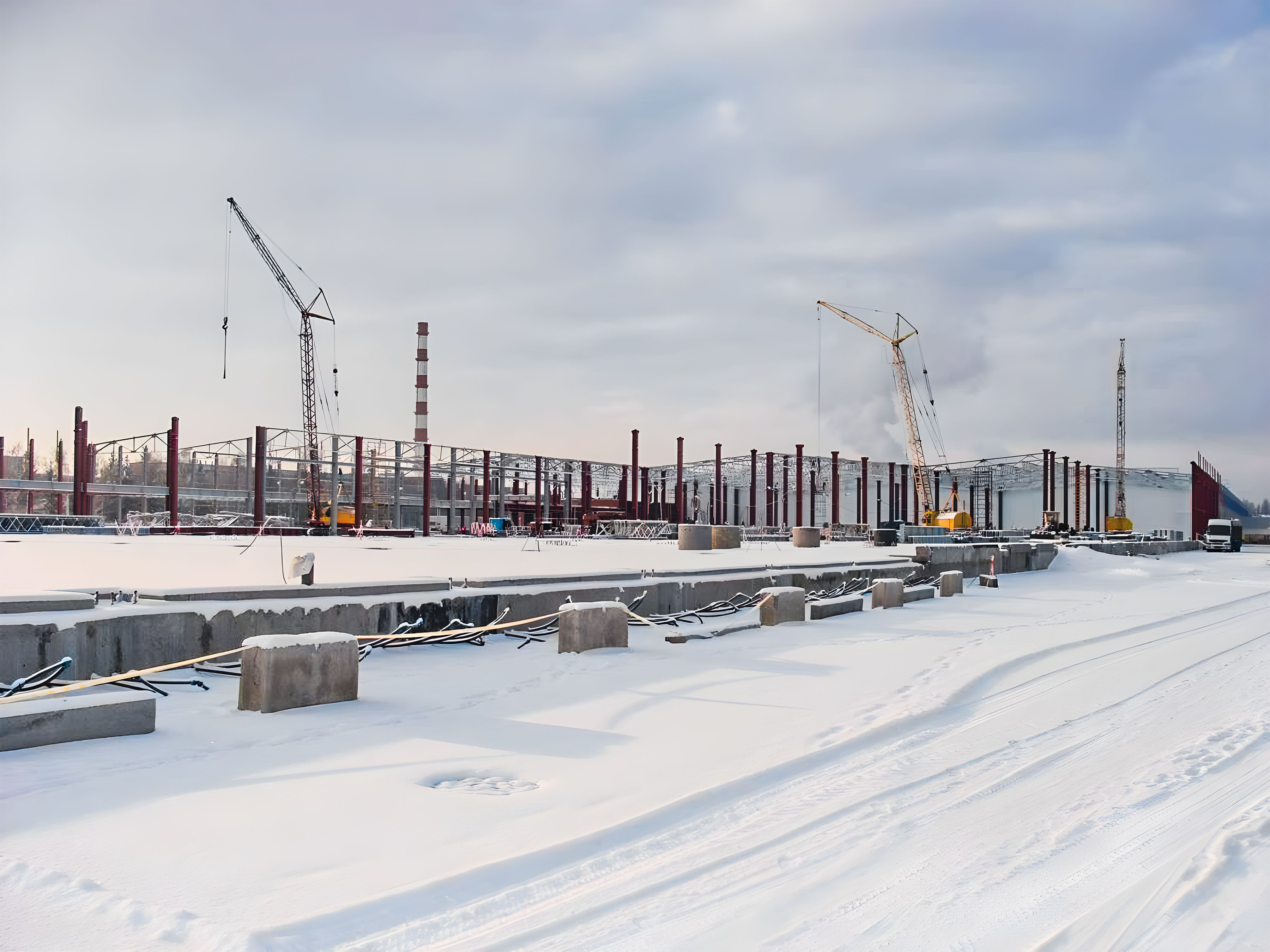
Winter presents unique challenges for crane operators, requiring special attention to safety and equipment performance. Cold temperatures, snow, and ice can impact operations, making it essential to prepare thoroughly for the season. In this post, we'll explore key strategies to help crane operators navigate winter conditions effectively.
Inspecting Equipment Thoroughly
Regular inspections are crucial, but they become even more vital in winter. Cold weather can affect hydraulic systems, batteries, and other components. Ensure all parts are in optimal condition by conducting detailed inspections before starting any operation.
Check oil levels, antifreeze, and other fluids to confirm they're suitable for low temperatures. Replace any worn-out parts and ensure de-icing tools are available. This proactive approach minimizes the risk of equipment failure during critical operations.
Adapting to Weather Conditions
Weather variability can significantly impact crane operations. It's important to stay informed about the latest weather forecasts and plan accordingly. Limit operations during severe weather conditions to enhance safety.

When working in snow or ice, ensure the ground is stable and clear of obstacles. Use mats or pads to provide additional support if necessary. Adjust lifting strategies to accommodate the increased risks associated with slippery surfaces.
Enhancing Operator Safety
Operator safety is paramount, especially in harsh winter conditions. Provide adequate training on winter-specific challenges, ensuring operators are well-prepared to handle any situation. Equip them with proper winter gear, including insulated clothing, gloves, and boots.

Implement a buddy system where operators check on each other regularly. This practice not only boosts morale but also ensures quick responses in case of emergencies. Encourage open communication about any concerns or observations related to safety.
Maintaining Clear Communication
Clear communication is essential for safe crane operations, especially in winter. Use radios or other reliable communication devices to maintain contact between team members. Ensure everyone is aware of their roles and responsibilities.
Establish clear hand signals and protocols for situations where verbal communication may be hindered by weather conditions. Regularly review these procedures to ensure they are understood and followed by all team members.
Storing Equipment Properly
Proper storage of cranes and related equipment during downtime can prevent damage from harsh weather. Use covers and shelters to protect machinery from snow and ice accumulation. Regularly clear any snow buildup from equipment to prevent damage.
Ensure all equipment is secured and that any movable parts are locked in place to avoid movement caused by strong winds. Implement a regular maintenance schedule to maintain equipment readiness throughout the winter months.
Conclusion
Preparing for winter challenges is vital for crane operators to ensure safety and efficiency. By inspecting equipment, adapting to weather conditions, enhancing operator safety, maintaining clear communication, and storing equipment properly, operators can successfully navigate the complexities of winter operations. Stay proactive and vigilant to conquer the winter season with confidence.