
Seasonal Safety Tips for Crane Operators: Preparing for Weather Challenges
KM
As the seasons change, crane operators must adapt to various weather conditions that can impact safety and efficiency on the job site. Being prepared for these changes is crucial to ensure smooth operations and protect both personnel and equipment. Here are some essential safety tips for crane operators facing seasonal weather challenges.
Understanding Weather Impact on Crane Operations
Weather conditions can significantly influence crane operations. From heavy rains to strong winds and extreme temperatures, each season brings unique challenges. Understanding these impacts can help operators anticipate potential issues and take preventive measures.
Wind is one of the most critical factors. High winds can cause loads to sway, leading to dangerous situations. Operators should always monitor wind speeds and adhere to manufacturer guidelines for safe operation limits.
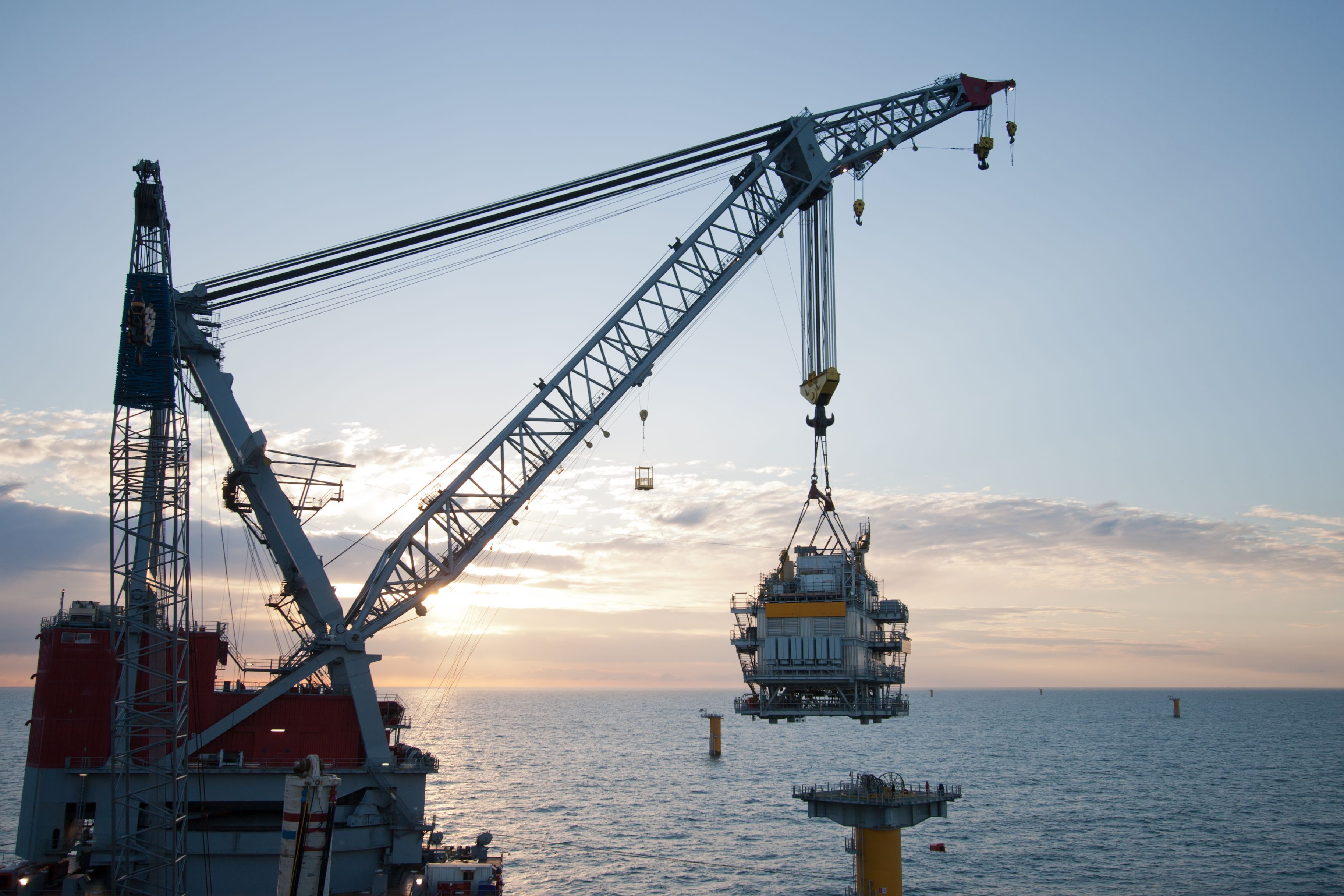
Preparing for Cold Weather
Cold weather can cause mechanical issues and pose safety risks. Operators should ensure that all crane components are suitable for low temperatures. Regular maintenance checks are vital to prevent malfunctions.
- Inspect hydraulic systems for potential freeze-ups.
- Check batteries and electrical systems for optimal performance.
- Ensure proper lubrication of moving parts to prevent stiffness.
Operators should also be dressed appropriately for cold weather to maintain focus and dexterity.

Rain and Wet Conditions
Rainy conditions can lead to slippery surfaces and reduced visibility. Ensuring proper drainage on the site and using cranes with non-slip surfaces can mitigate these risks.
Operators should also:
- Conduct thorough inspections to prevent water-related damages.
- Use waterproof covers for electrical components.
- Exercise increased caution when maneuvering loads.

Dealing with Extreme Heat
Hot weather can affect both machinery and personnel. Operators need to be aware of the risks associated with high temperatures and take appropriate precautions.
Ensure cranes are equipped with heat-resistant materials and that cooling systems are functioning correctly. Operators should stay hydrated and take regular breaks to avoid heat-related illnesses.
Monitoring Weather Forecasts
Staying informed about weather forecasts is a proactive way to prepare for adverse conditions. Utilize weather apps and alerts to anticipate changes and plan operations accordingly.
Having a contingency plan in place for severe weather can prevent delays and accidents. This plan should include clear communication protocols and emergency procedures.

Conclusion
By understanding and preparing for the seasonal weather challenges, crane operators can enhance safety and efficiency on the job site. Regular maintenance, appropriate gear, and proactive planning are key to overcoming these challenges. Remember, safety always comes first, and being prepared is the best defense against weather-related risks.