Rigging Safety Courses: Essential Tips for Construction Professionals
KM
Understanding the Importance of Rigging Safety
In the construction industry, rigging safety is crucial for ensuring both the efficiency of operations and the well-being of workers. Rigging involves lifting and moving heavy materials, and any oversight can lead to severe accidents. Therefore, it's essential for construction professionals to undergo rigging safety courses to enhance their skills and knowledge.
These courses are designed to educate workers about the best practices, regulations, and techniques involved in rigging. By participating in these training programs, construction professionals can significantly reduce the risk of workplace accidents and maintain a safer job site.
Key Components of Rigging Safety Courses
Understanding Load Calculations
One of the fundamental aspects of rigging safety is understanding load calculations. Rigging safety courses teach professionals how to accurately determine the weight of loads and the capacity of lifting equipment. This knowledge is vital for preventing overloading and ensuring that operations are conducted safely.
Inspection and Maintenance of Equipment
Regular inspection and maintenance of rigging equipment are critical components covered in safety courses. Construction professionals learn how to identify wear and tear, as well as how to perform routine maintenance checks. This proactive approach helps in avoiding equipment failure and potential accidents.
Developing Effective Communication Skills
Effective communication is key in any construction project, especially during rigging operations. Rigging safety courses emphasize the importance of clear and concise communication among team members. This includes using standardized signals and maintaining constant radio communication to ensure everyone is on the same page.
By honing their communication skills, construction professionals can work more cohesively, thereby enhancing overall safety and efficiency on the job site.
The Role of Personal Protective Equipment (PPE)
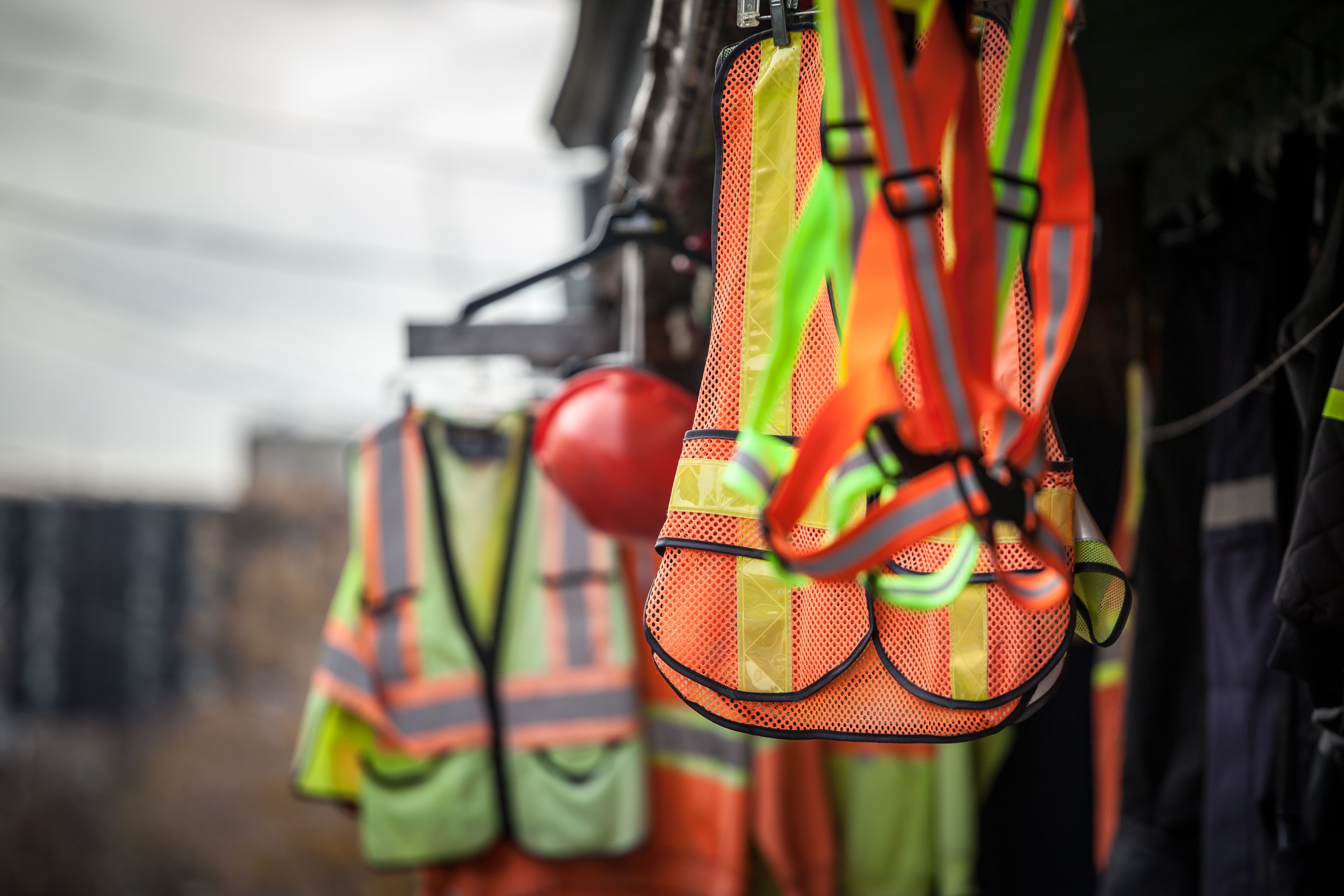
Personal Protective Equipment (PPE) plays a significant role in rigging safety. Safety courses provide comprehensive training on selecting and using the appropriate PPE for different rigging tasks. This includes helmets, gloves, safety boots, and harnesses.
Ensuring that all workers are equipped with the right PPE minimizes the risk of injury and fosters a culture of safety within the construction team.
Benefits of Ongoing Rigging Safety Training
Continuous education and training in rigging safety are vital for keeping up with industry standards and technological advancements. Ongoing training helps professionals stay updated on the latest safety protocols and equipment innovations.
- Increased awareness of safety practices
- Enhanced job performance and efficiency
- Reduced risk of accidents and injuries
By investing in regular training, construction companies can ensure a safer work environment and improve their overall project outcomes.
Conclusion
Rigging safety courses are an indispensable part of the construction industry, providing professionals with the necessary skills and knowledge to perform their tasks safely and efficiently. By understanding load calculations, maintaining equipment, enhancing communication, and using PPE correctly, construction workers can significantly reduce risks and ensure successful project completion.