Navigating ABC Rigging Certification Programs: What You Need to Know
KM
For professionals in the rigging industry, obtaining the right certification is crucial for career advancement and ensuring safety on the job. The ABC Rigging Certification Programs are designed to provide riggers with the skills and knowledge necessary to excel in their field. This guide will help you navigate these programs and understand what you need to know before enrolling.

Understanding ABC Rigging Certification
The ABC Rigging Certification Programs are recognized for their comprehensive training and rigorous standards. These programs cover various aspects of rigging, from basic techniques to advanced practices, ensuring that participants are well-prepared for real-world challenges. Certification from ABC is often seen as a mark of excellence in the industry.
There are several levels of certification, each catering to different experience levels and specializations. Whether you're a beginner or a seasoned professional, there's a certification path that suits your needs. Understanding these levels is key to choosing the right program for your career goals.
Levels of Certification
The ABC Rigging Certification includes multiple levels:
- Basic Rigger Certification: Ideal for newcomers, this certification covers essential rigging techniques and safety protocols.
- Intermediate Rigger Certification: For those with some experience, this level delves deeper into complex rigging scenarios.
- Advanced Rigger Certification: Designed for experts, this certification focuses on sophisticated rigging strategies and leadership in the field.
Preparing for Certification
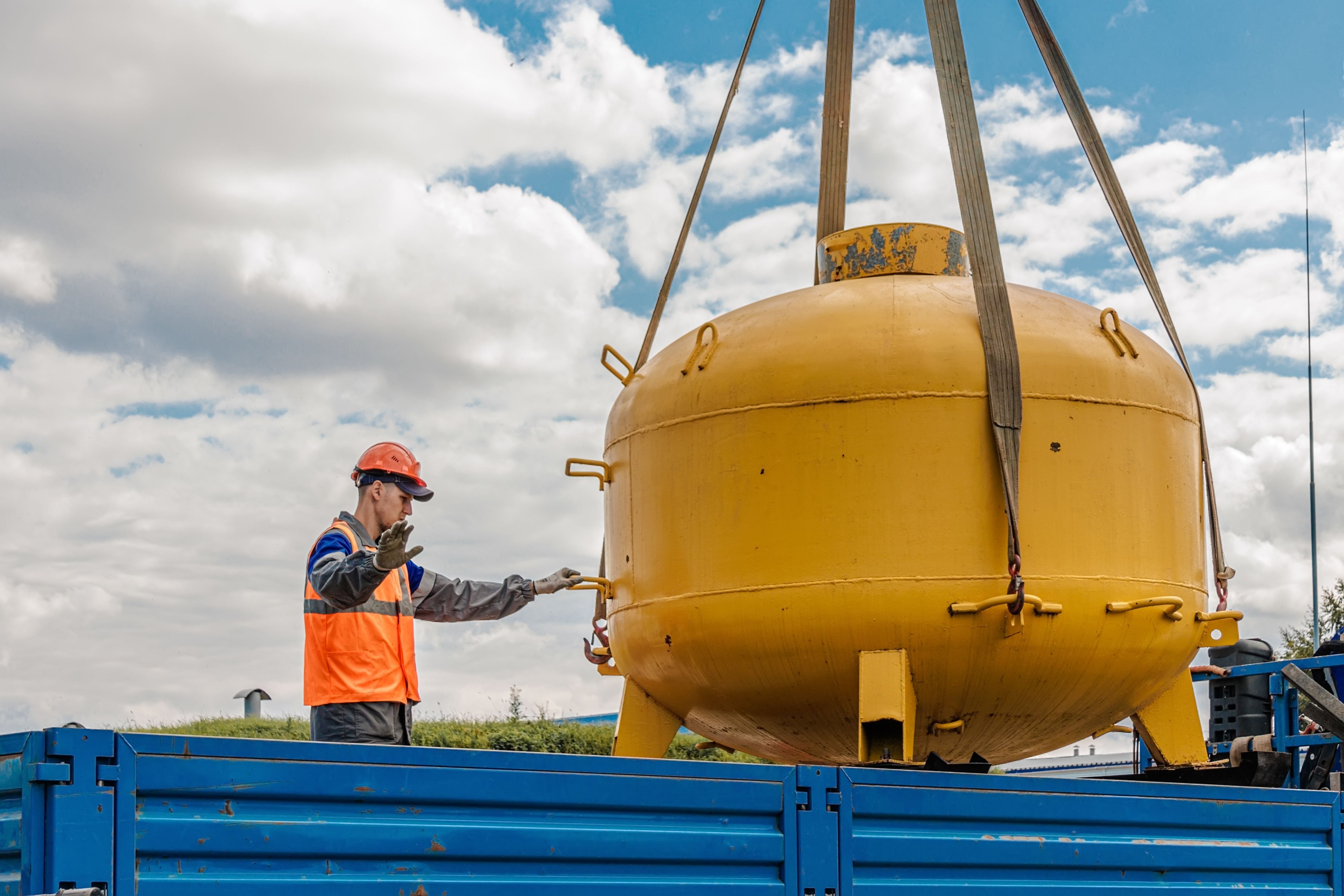
Preparation for ABC Rigging Certification requires a combination of study and practical experience. Candidates are encouraged to review the program's study materials and participate in hands-on training sessions. This approach ensures a well-rounded understanding of both theoretical and practical aspects of rigging.
Many training centers offer preparatory courses that align with ABC standards. These courses often include practice exams, workshops, and access to experienced instructors who can provide valuable insights and guidance.
Exam Structure
The certification exams are designed to test a candidate's knowledge and practical skills. Typically, the exams include:
- Written Test: Assesses theoretical knowledge of rigging principles and safety regulations.
- Practical Assessment: Evaluates hands-on skills and the ability to apply knowledge in real-world scenarios.

Benefits of Certification
Obtaining an ABC Rigging Certification offers numerous benefits. Certified riggers often enjoy improved job prospects, higher salaries, and increased credibility in the industry. Employers recognize the certification as a commitment to quality and safety, making certified professionals more desirable candidates.
Moreover, certification can open doors to advanced career opportunities, such as supervisory roles or specialized rigging projects. It demonstrates a commitment to professional development and a dedication to maintaining high standards in rigging practices.
Maintaining Certification
Once certified, riggers must keep their credentials current through continuous education and training. The rigging industry is constantly evolving, and staying updated with the latest techniques and safety standards is essential for maintaining certification and ensuring ongoing success in the field.
Overall, navigating the ABC Rigging Certification Programs requires careful preparation and a commitment to excellence. By understanding the certification levels, preparing effectively, and recognizing the benefits, riggers can enhance their careers and contribute to safer, more efficient work environments.