
Innovations in Signal Person Training: What’s New?
KM
Understanding Signal Person Training
The role of a signal person is crucial in ensuring the safety and efficiency of operations on construction sites and in industries where heavy machinery is used. These professionals guide crane operators and other machinery handlers, making their training an essential component of workplace safety.
Recent innovations in signal person training have transformed how these professionals are prepared for their roles. With technology evolving rapidly, training programs have incorporated new methods and tools to enhance learning and effectiveness.
Virtual Reality: A Game Changer
One of the most significant advancements in signal person training is the use of virtual reality (VR). By simulating real-world environments, VR provides trainees with a hands-on experience without the risks associated with live training. This immersive technology allows trainees to practice signaling in various scenarios, improving their decision-making skills and confidence.
VR training modules can be tailored to specific equipment and site conditions, offering a customized learning experience. This adaptability ensures that signal persons are well-prepared for the unique challenges of their work environment.

Augmented Reality and Wearable Technology
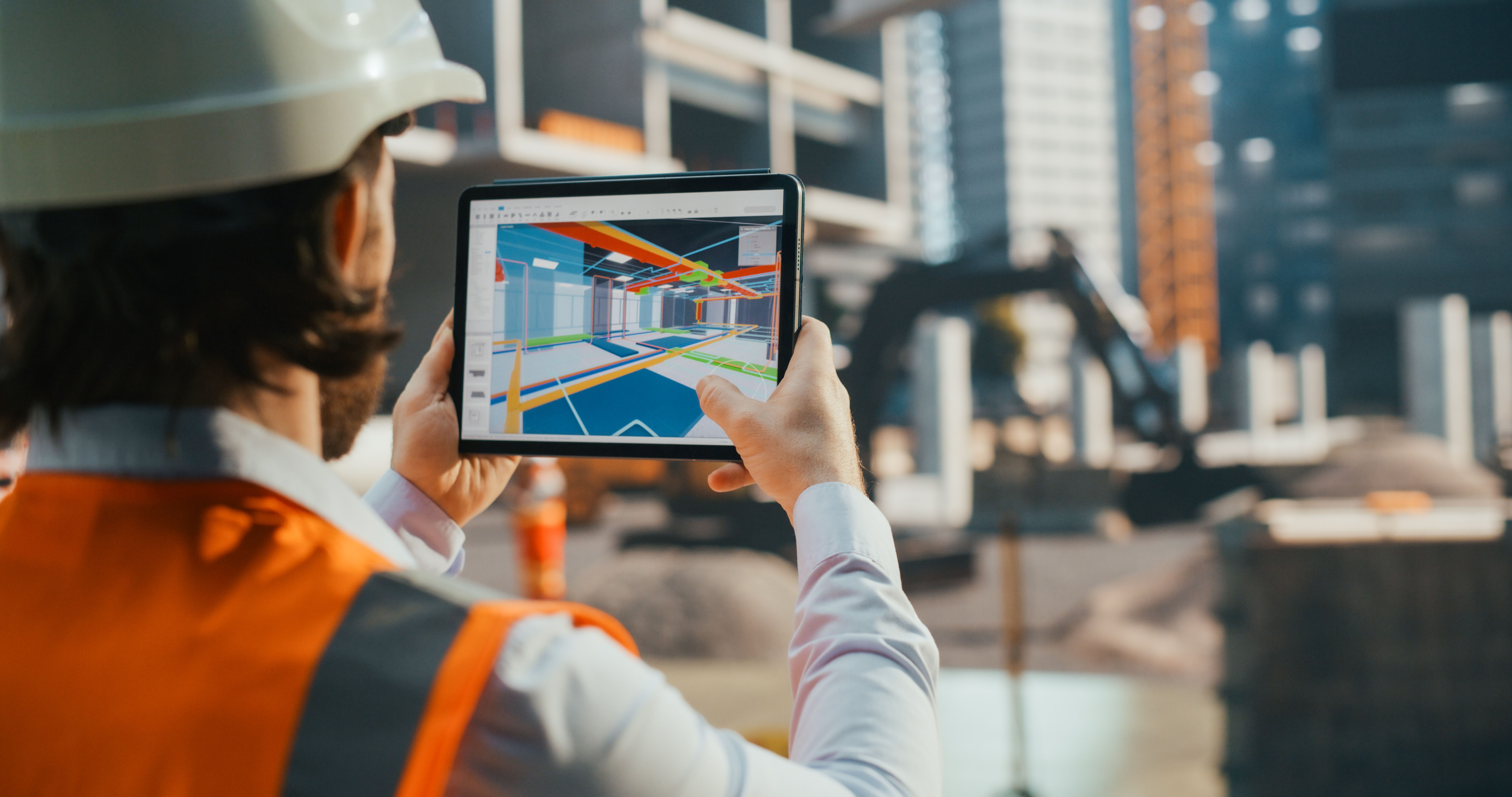
Another innovative tool is augmented reality (AR). By overlaying digital information onto the real world, AR enhances the training experience. Trainees can visualize machinery movements and receive real-time feedback on their signaling techniques through smart glasses or mobile devices.
Wearable technology, such as smart helmets and vests, further supports training by monitoring body movements and providing data-driven insights. These wearables help identify areas for improvement, ensuring that signal persons are performing at their best.
Online Learning Platforms
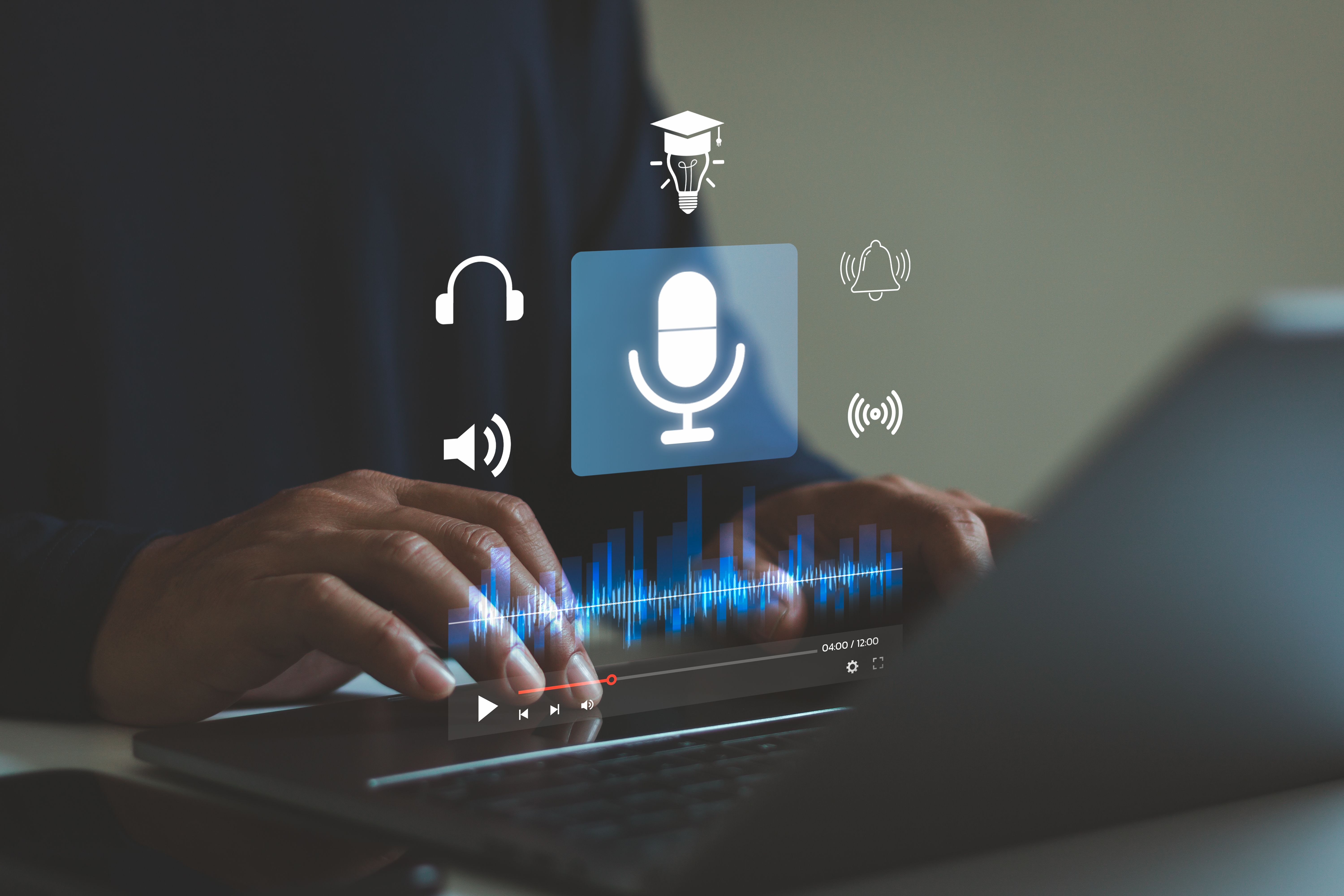
Online learning platforms have also revolutionized signal person training. These platforms offer flexible, self-paced courses that cover theoretical knowledge and practical skills. Interactive modules, quizzes, and video demonstrations make learning more engaging and effective.
Furthermore, online platforms provide easy access to the latest safety regulations and industry standards, ensuring that trainees are always up-to-date. This accessibility is particularly beneficial for remote or busy individuals who require a flexible learning schedule.
Emphasizing Soft Skills
While technical skills are paramount, recent trends in signal person training emphasize the importance of soft skills such as communication, teamwork, and problem-solving. Training programs now include components that focus on these interpersonal skills, which are critical for effective collaboration on site.
Role-playing exercises and group discussions are often incorporated into training sessions to enhance these skills. By doing so, signal persons are better equipped to handle the dynamic and often unpredictable nature of their work environment.
The Future of Signal Person Training
As technology continues to evolve, the future of signal person training looks promising. Emerging technologies such as artificial intelligence and machine learning are expected to play a significant role in further enhancing training methodologies.
By staying at the forefront of innovation, training programs can continue to produce highly skilled and adaptable signal persons, ensuring safety and efficiency across industries.