Common Misconceptions About Rigging and How to Avoid Them
KM
Understanding Rigging in Various Industries
Rigging is a critical component in industries such as construction, entertainment, and maritime. However, there are several misconceptions that can lead to costly errors or safety hazards. By understanding these common misconceptions, professionals can ensure safer and more efficient rigging operations.
Misconception 1: Rigging is a Simple Task
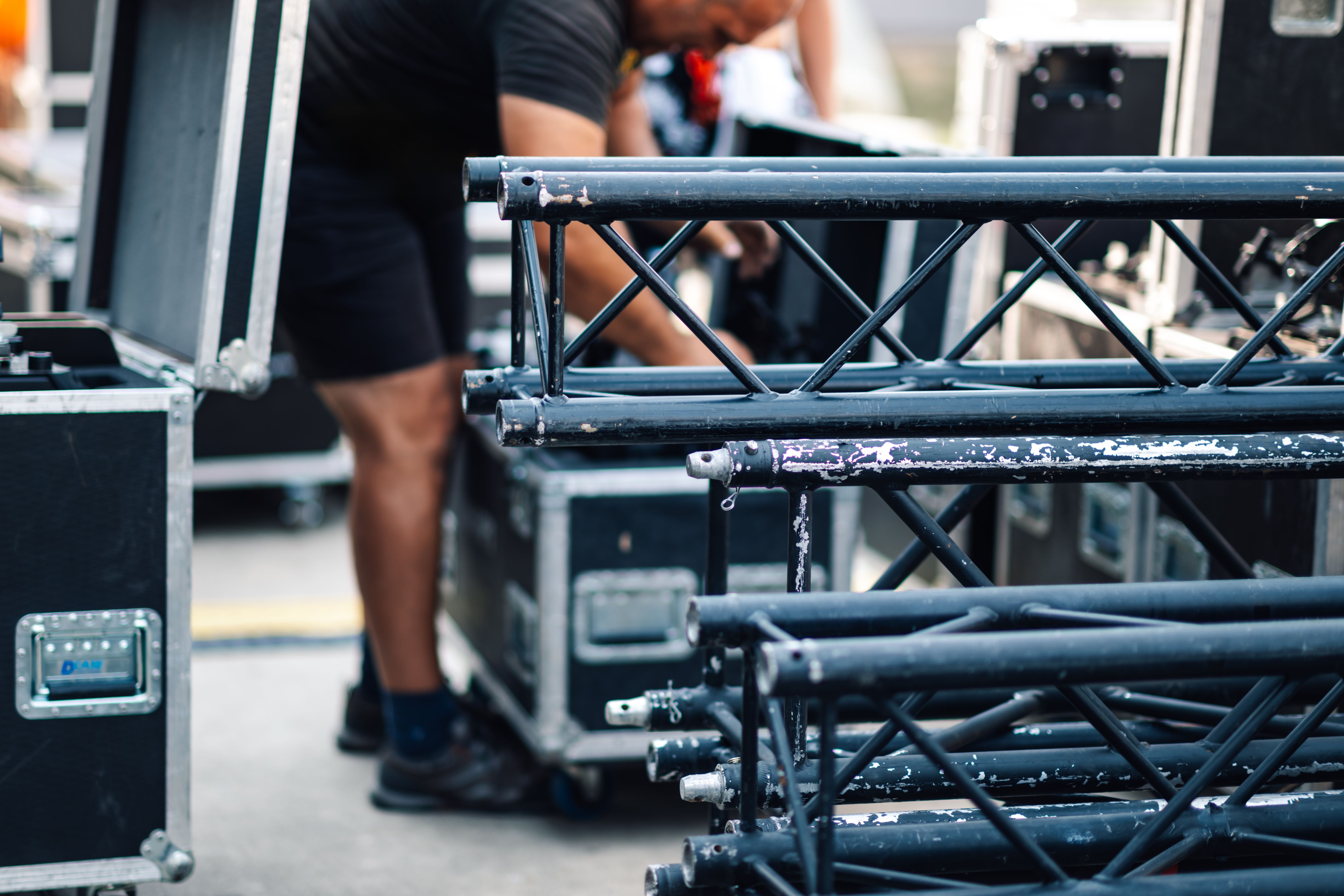
One of the biggest misconceptions is that rigging is straightforward and requires minimal skill. In reality, rigging involves complex calculations and a deep understanding of physics and safety protocols. Proper training and certification are essential for anyone involved in rigging operations.
Ignoring the complexity can lead to accidents and equipment damage. It's important for companies to invest in regular training programs to keep their teams updated on the latest techniques and safety standards.
Misconception 2: Any Equipment Will Do
Another common misunderstanding is that any equipment can be used for rigging. In fact, using the wrong equipment can compromise safety and efficiency. Each rigging task requires specific tools that are rated for the load they will bear.

Professionals should ensure that all equipment is regularly inspected and maintained. Understanding load limits and using the appropriate gear can prevent accidents and prolong the lifespan of the equipment.
Misconception 3: Experience Trumps Safety Protocols
Some believe that experience alone is enough to guarantee safety in rigging operations. While experience is valuable, it should never replace adherence to safety protocols. Rigging professionals should always follow industry standards and guidelines, regardless of their experience level.
Regular safety audits and drills can help reinforce the importance of following protocols and keeping safety at the forefront of every operation.

Misconception 4: All Rigging is the Same
It's a mistake to think that rigging is the same across different industries. Each industry has unique requirements and standards. For example, the techniques used in theatrical rigging differ significantly from those in construction.
Professionals should be familiar with the specific needs of their industry and seek specialized training when necessary. This distinction ensures compliance with regulations and enhances the safety and efficiency of the rigging process.
Conclusion
By dispelling these common misconceptions, companies can enhance the safety and effectiveness of their rigging operations. Investing in proper training, using the right equipment, and following established safety protocols are crucial steps in avoiding unnecessary risks.
Understanding the unique requirements of different industries and recognizing the complexity of rigging tasks can help professionals perform their duties with confidence and precision.